The Art of Simplicity: Why Hot Coffee Cup Line Art Belongs in Your Creative Toolkit
There is something quietly arresting about a single, well-drawn line. It can suggest warmth, ritual, comfort, and even community—all without a single splash of color. Hot Coffee Cup Line Art embodies this restraint. It strips the familiar morning mug down to its essential contours, offering a visual shorthand that resonates across cultures and contexts. Whether you are designing a café menu, building a brand identity, or preparing a slide deck for a coffee-industry conference, this clean, versatile illustration can anchor your project with understated elegance.
This article unpacks what Hot Coffee Cup Line Art really is, why it works so well in so many settings, and how you can evaluate whether it fits your next creative endeavor. We will look at its practical strengths, its natural limitations, and the real-world scenarios where it truly shines. By the end, you will have a clear sense of how to make the most of this asset—and whether it deserves a place in your design library.
What Is Hot Coffee Cup Line Art, Exactly?
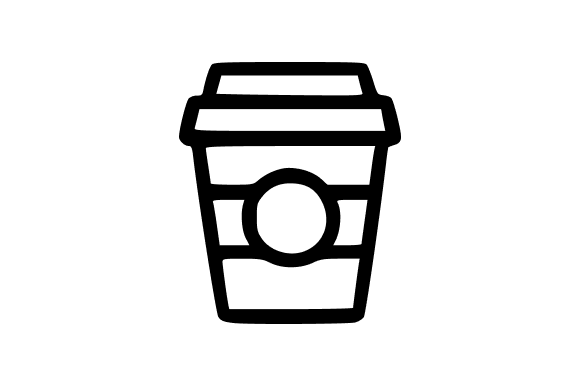
At its core, Hot Coffee Cup Line Art is a minimalist illustration of a coffee cup, drawn using continuous or carefully placed lines. There are no gradients, no textures, no photographic details—just the outline and a few interior strokes that define the cup, the handle, and perhaps a wisp of steam rising from the surface. The result is a graphic that feels both timeless and modern, capable of fitting into almost any visual style.
The file package you receive typically includes four formats: SVG (scalable vector, perfect for resizing without loss), EPS (industry-standard for professional design software), JPG (high-resolution for everyday use), and Transparent PNG (ideal for overlays and quick edits). This range means you can drop the illustration into a web mockup, a printed poster, or a social media graphic without worrying about compatibility or background artifacts.
The Philosophy Behind the Line
Line art has deep roots in both illustration and iconography. By reducing an object to its most recognizable silhouette, you create a symbol that communicates instantly. Hot Coffee Cup Line Art does exactly that: it bypasses the need for photorealism and speaks directly to the viewer's familiarity with the subject. That cup of coffee is not just a beverage container—it is a signal of morning routines, work breaks, social gatherings, and comfort. The line drawing preserves all of that meaning while leaving room for the viewer's own interpretation.
Who Benefits from This Type of Graphic?
The audience for Hot Coffee Cup Line Art is surprisingly broad. Here is a quick breakdown of the people and professionals who find real value in this asset:
- Graphic designers working on branding, packaging, or website elements who need a clean, scalable icon.
- Content creators producing blog headers, social media posts, or YouTube thumbnails where a simple visual cue is more effective than a busy photograph.
- Marketers and business owners in the food, beverage, hospitality, or wellness industries who want to evoke a specific mood without cluttering their materials.
- Presentation specialists building slides for coffee-related topics, from market trends to sustainability reports, who need visuals that support—not distract from—the message.
- Educators creating infographics or handouts about coffee culture, brewing methods, or design principles.
- Hobbyists and DIY creators making stickers, planners, or personal stationery who appreciate high-quality, ready-to-use assets.
In short, if your project touches the idea of coffee—whether literally or metaphorically—this line art can serve as a versatile building block.
Real-World Applications: Where This Illustration Works Best
Let us move beyond theory and look at concrete scenarios. Hot Coffee Cup Line Art is not a one-trick pony; it adapts to very different use cases. Here are several that illustrate its range:
Branding and Logo Exploration
Imagine you are designing a logo for a local roastery that wants to communicate craftsmanship without looking corporate. A highly detailed photograph of a coffee cup would feel cluttered and hard to reproduce at small sizes. A line-art version, however, scales beautifully from a website favicon to a storefront sign. You can pair it with a clean sans-serif logotype, and the result feels approachable, artisanal, and professional. The SVG format ensures you can tweak the stroke weight or color in a vector editor without degrading quality.
Print Collateral with a Minimalist Vibe
A café chain redesigning its takeaway cups might choose line art over a busy pattern. The illustration can be printed in a single accent color (say, warm brown or forest green) on kraft paper, creating a look that is both eco-conscious and stylish. Menus, coasters, and loyalty cards benefit from the same treatment. Because the JPG and PNG files are high-resolution, you can send them directly to a printer or a print-on-demand service without additional cleanup.
Digital Content and Social Media
For Instagram posts, blog featured images, or email newsletters, Hot Coffee Cup Line Art works as a subtle background element or a standalone hero graphic. It loads quickly, renders sharply on retina screens, and does not compete with text overlays. A transparent PNG version lets you place the cup over a photo of coffee beans or a textured surface, adding depth without visual noise.
Infographics and Educational Materials
If you are creating an infographic about coffee brewing methods or the anatomy of an espresso machine, line art icons are invaluable. They communicate ideas clearly and can be repeated throughout the design to create visual consistency. The EPS file integrates seamlessly into Adobe Illustrator or Affinity Designer, where you can modify the line thickness, combine it with other elements, or export it as a custom icon set.
Stickers and Merchandise
Stickers remain a popular medium for branding, giveaways, and personal expression. The clean outlines of this line art make it easy to produce as a kiss-cut sticker with no background. You can also use it on mugs, tote bags, or notebooks. Because the artwork is vector-based, you can scale it to any size—from a tiny laptop decal to a large wall mural—without pixelation.
Strengths and Practical Considerations
No asset is perfect for every situation, and understanding the strengths and limitations of Hot Coffee Cup Line Art will help you decide when to use it—and when to look for something different.
What Makes It Shine
- Scalability without loss. The SVG and EPS formats mean you can enlarge the illustration to billboard size or shrink it to a favicon. The line remains crisp.
- Neutral aesthetic. The minimalist style works across different design trends—flat design, modern, retro, even Scandinavian. It does not impose a specific mood.
- Ease of customization. Change the stroke color, fill it with a pattern, or combine it with other line-art elements. The files are designed for editing.
- Small file size. Vector files weigh almost nothing, which helps with website load times and email attachment limits.
- Immediate recognition. The coffee cup silhouette is universal. Viewers understand it in a fraction of a second.
What to Keep in Mind
- It is not photorealistic. If your project requires detailed textures, steam droplets, or realistic shadows, you will need a photograph or a more complex illustration.
- Limited color information. The line art is typically presented as a single-color stroke. Adding multiple colors or gradients requires editing in a vector program.
- Context matters. In a very busy layout, a simple line drawing can get lost if not given enough breathing room. Pair it with ample white space for best effect.
- Not a full design system. One icon is a great starting point, but you may need to build a matching set of line-art icons to create a cohesive visual language.
How to Evaluate Whether This Asset Is Right for Your Project
Before you download and start using Hot Coffee Cup Line Art, ask yourself a few questions. They will help you determine if this particular style and format align with your goals.
What Is the Primary Medium?
If your project is digital-first—web, social media, presentations—the SVG and transparent PNG formats are ideal. If you are printing at a large scale, the vector formats guarantee sharp edges. For quick, low-resolution drafts, the JPG will suffice. The file package covers all these bases.
What Mood Are You Trying to Convey?
Line art tends to feel clean, modern, and approachable. It can also feel minimal, artistic, or even whimsical depending on the stroke style. If you need something warm and textured, or bold and aggressive, you might need a different visual approach. But if clarity and simplicity are your goals, this asset fits naturally.
How Much Customization Do You Plan to Do?
The EPS and SVG files are fully editable. You can change the stroke color, adjust the line thickness, add fills, or combine the cup with other vector shapes. This makes it a flexible starting point. If you do not plan to edit at all, the PNG and JPG are ready to use as-is.
Is This a One-Off or Part of a Larger Series?
If you need a single icon for a blog post or a sticker, this illustration is perfect. If you are building a set of 20 icons for an app or a website, you might want to commission a custom set or find a cohesive pack. However, this cup can anchor a small collection of food and beverage icons.
Practical Tips for Getting the Most Out of the Files
To help you hit the ground running, here are a few practical suggestions based on common workflows:
- For web use: Use the SVG file directly in your HTML or import it into Figma or Sketch. It will remain crisp on retina screens. If you need a fallback for older browsers, export a small PNG.
- For print design: Open the EPS in Adobe Illustrator or InDesign. Check that the stroke weight is appropriate for your output size. A 1pt stroke might look delicate on a poster but too thick on a business card.
- For overlays: The transparent PNG is your best friend. Drop it onto a photograph of a wooden table, a notebook, or a textured background. Adjust opacity if needed for a subtle watermark effect.
- For branding mockups: Place the line art on a mockup of a coffee cup, a tote bag, or a menu board. Because the art is simple, it will not compete with the mockup's own lighting and shadows.
Conclusion: A Small Asset with Big Potential
Hot Coffee Cup Line Art is more than just a pretty outline. It is a functional, flexible, and thoughtful design element that can serve a wide range of creative projects. From professional branding and print collateral to personal stickers and social media graphics, its clean aesthetic and multiple file formats make it a reliable go-to resource.
The beauty of line art lies in what it leaves out. By omitting color, texture, and detail, it focuses attention on shape and meaning. That is why a simple coffee cup drawn in a few strokes can feel so resonant. It invites the viewer to fill in the rest—with their own memories of morning routines, café conversations, or quiet moments with a warm mug in hand.
Whether you are a seasoned designer or someone just starting to build a visual identity, this asset gives you a solid foundation. Evaluate your project's needs, consider the scenarios above, and decide how a touch of minimalist line art could enhance your next creation. When you are ready to bring that clean, universal symbol into your work, the files are prepared and waiting.