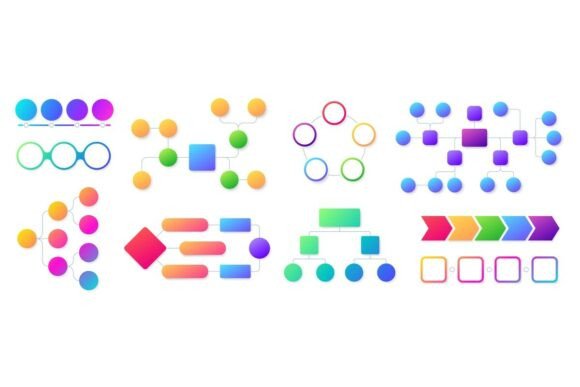
Presentation Flowchart. Workflow Parts
A presentation flowchart is a visual tool that outlines the sequence of steps in a process, making it easier to understand and communicate complex ideas. It can be used in various contexts, from business planning to creative projects, helping individuals and teams organize their thoughts and streamline their work.
What Is a Presentation Flowchart?
A presentation flowchart is a type of diagram that uses shapes and arrows to represent the flow of a process or idea. It typically includes elements like start and end points, decisions, actions, and outcomes. This format allows users to see the big picture while also understanding the details of each step.
Workflow parts are the individual components that make up a process. These can include tasks, responsibilities, tools, and timelines. When combined into a flowchart, they create a clear roadmap for completing a project or achieving a goal.
Why Different Audiences Care About Flowcharts
Flowcharts are valuable to many different people, but their importance can vary based on the user's role and goals. For example:
- Beginners may use flowcharts to learn how to structure their ideas and follow a logical sequence.
- Professionals might rely on them to improve efficiency, reduce errors, and ensure consistency in their work.
- Entrepreneurs could use flowcharts to plan business strategies, manage workflows, and track progress.
- Educators might incorporate them into lessons to help students grasp complex concepts and develop critical thinking skills.
- Marketers could benefit from flowcharts to map out customer journeys, campaign processes, and content strategies.
How Different Users Approach Flowcharts
The way people use flowcharts often depends on their needs, experience level, and the nature of their work. Here are some examples:
- Beginners might start with simple templates, focusing on ease of use and clarity. They may look for tools that require minimal technical knowledge and offer guided steps.
- Experienced users could prefer advanced features that allow customization, integration with other software, and detailed analytics. They may prioritize flexibility and scalability.
- Creators might use flowcharts to visualize storytelling, design processes, or project timelines. Their focus could be on creativity, aesthetics, and the ability to share ideas visually.
- Business owners may evaluate flowcharts based on their potential to save time, reduce costs, and improve decision-making. They might seek solutions that support long-term growth and adaptability.
- Consumers could encounter flowcharts in product manuals, service guides, or online tutorials. Their main concern might be understanding instructions quickly and efficiently.
Key Considerations When Choosing a Flowchart Tool
When selecting a flowcharting solution, users should consider factors such as:
- Ease of use – How intuitive is the interface? Can it be mastered without extensive training?
- Cost – Are there free options available, or does the user need to invest in premium features?
- Quality – Does the tool produce clear, professional-looking diagrams?
- Flexibility – Can it accommodate different types of workflows and formats?
- Speed – How quickly can users create and modify flowcharts?
- Reliability – Is the platform stable, secure, and regularly updated?
- Creativity – Does it allow for custom designs, colors, and icons?
- Learning value – Can it help users improve their organizational and analytical skills?
- Commercial value – Will it contribute to business success or client satisfaction?
- Long-term usefulness – Will it remain relevant as projects evolve or grow in complexity?
Practical Examples for Different Users
Here are some real-world scenarios where flowcharts can make a difference:
- For a student working on a research project, a flowchart can help break down the research process into manageable steps, from topic selection to final submission.
- For a small business owner, a flowchart can outline daily operations, customer service procedures, or marketing campaigns, ensuring everyone on the team understands their role.
- For a designer, a flowchart can visualize the stages of a creative project, from concept development to final delivery, helping to maintain a consistent workflow.
- For a teacher, a flowchart can be used to explain a lesson plan, showing how each activity connects to the next and supports learning objectives.
- For a freelancer, a flowchart can help organize client requests, project timelines, and deliverables, improving time management and communication.
How to Determine If a Flowchart Fits Your Needs
Before committing to a flowcharting tool or method, take time to reflect on your goals, skill level, and the type of projects you work on. Ask yourself:
- Do I need a simple, quick solution, or am I looking for something more complex?
- Will this tool help me achieve my specific objectives, or is it just a generic option?
- Am I comfortable with the learning curve, or do I need something more user-friendly?
- Does it align with my budget and long-term plans?
If you're unsure, try experimenting with different tools or templates to see what works best for you. The right flowchart can transform the way you think, plan, and execute your ideas.