Crossed Padel Rackets Outline Icon Explained
In the world of visual communication, even the simplest graphic can carry significant weight. The crossed padel rackets outline icon is one such asset. At first glance, it appears straightforward: two padel rackets crossed in a classic sports motif. But this icon represents much more than a simple illustration. It embodies the spirit of one of the fastest-growing sports globally, a sport that blends strategy, social connection, and athleticism. Whether you are building a brand around padel, designing content for enthusiasts, or simply looking for clean, recognizable imagery, understanding what this icon offers and how it can serve different purposes is valuable.
This article explores the crossed padel rackets outline icon from multiple angles. We will look at what it is, why different people might care about it, and how it can fit into various projects, from professional marketing campaigns to personal creative work. The goal is to help you decide if this asset aligns with your specific needs, skill level, and project type, without any unnecessary sales talk.
What Is the Crossed Padel Rackets Outline Icon?
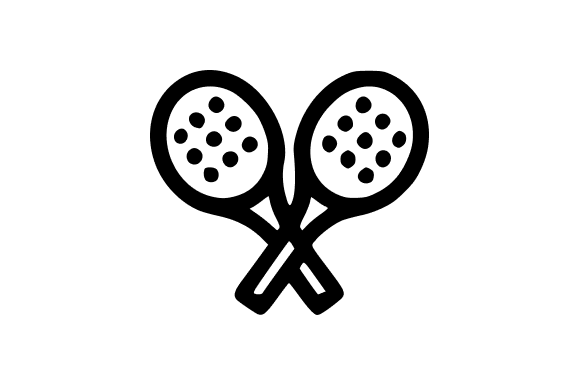
At its core, this is a graphic representation of two padel rackets arranged in an X or cross formation. The "outline" style means the icon is drawn using lines and strokes rather than filled shapes or complex shading. This style offers a clean, minimalist look that works well across different mediums. The icon typically captures the essential shape of a padel racket—recognizable by its perforated face and shorter handle compared to tennis rackets—without adding unnecessary detail.
The file formats available include SVG, EPS, JPG, and transparent PNG. Each format serves a different purpose. SVG and EPS are vector formats, meaning they can be scaled to any size without losing quality. This is essential for professional design work where you might need to resize the icon for a billboard one day and a business card the next. JPG offers a high-resolution raster option for everyday use, while transparent PNG is ideal for overlaying the icon onto other designs or backgrounds without a white box around it.
For someone new to working with digital assets, this combination of formats means you can use the same icon across almost any platform or software without needing to convert files or worry about quality loss. For experienced designers, the vector formats provide the flexibility to edit, recolor, and adapt the icon to fit a brand or project perfectly.
Why Different Audiences Care About This Icon
Not everyone approaches a graphic asset like this with the same priorities. A marketer might focus on its commercial value and how quickly it can be deployed, while a hobbyist might care more about ease of use and creative flexibility. Understanding these different perspectives helps you see whether this icon matches what you actually need.
Designers and Creative Professionals
For a graphic designer, illustrator, or art director, the crossed padel rackets outline icon is a building block. The vector formats (SVG and EPS) are particularly valuable because they allow for precise manipulation. You can change stroke weight, swap colors, rotate elements, or combine the icon with other graphics without degrading quality. If you are designing a club logo, a tournament poster, or a series of social media graphics for a padel center, this icon saves time. Instead of drawing a racket from scratch, you start with a clean, accurate base that you can refine.
The flexibility also extends to branding consistency. If your client needs a version of the icon for a dark background and another for a light background, the vector file makes that adjustment a matter of a few clicks. For professionals, the long-term usefulness of a well-crafted vector icon often outweighs the initial cost, because the asset can be reused across countless projects without needing to be recreated.
Marketers and Content Creators
Marketers, social media managers, and content creators frequently need visuals that communicate quickly and clearly. The crossed padel rackets outline icon works well in this context because it is immediately recognizable to anyone familiar with the sport. It can be used in email headers, blog post featured images, slide decks, or promotional materials like flyers and banners.
What matters most here is presentation and speed. Having a high-resolution JPG or a transparent PNG ready to drop into a Canva design, a PowerPoint slide, or a social media post can shorten turnaround time. For a marketer promoting a padel tournament or a new equipment line, this icon helps build visual identity without requiring a deep design background. The commercial value lies in being able to produce professional-looking materials quickly, even if you are not a trained designer.
For educators creating instructional content about padel—whether for a school program, a community class, or an online course—the icon can serve as a consistent visual cue. It might appear alongside rules, equipment lists, or court diagrams. Its simplicity ensures it does not distract from the learning material, while its clarity helps reinforce recognition of the sport's equipment.
Small Business Owners and Entrepreneurs
Running a padel club, a sports equipment store, or a coaching business comes with a long to-do list. Design often falls low on the priority list, yet it still matters. For a small business owner, the crossed padel rackets outline icon offers a cost-effective way to enhance branding without hiring a designer for every small task. The transparent PNG file can be placed on a website header, printed on a banner, or used in a loyalty card design.
Ease of use becomes a primary concern here. Having a file that works out of the box without needing specialized software is important. The JPG and PNG formats are accessible to anyone with basic computer skills. The vector files are a bonus if the business owner later decides to work with a professional designer or invest in more comprehensive branding. For entrepreneurs, the value is in having an asset that grows with the business—simple enough for DIY use now, but robust enough for professional applications later.
Beginners and Hobbyists
If you are new to design or just starting a personal project related to padel, this icon can be a low-pressure way to learn. You might be creating a custom t-shirt for your local team, making stickers for your racket bag, or designing a simple flyer for a friendly tournament. The outline style is forgiving to work with because it does not require precise color matching or complex layering.
Beginners often worry about making something look amateur. Starting with a clean, well-designed icon like this one sets a professional baseline. You can drop the SVG into a free software like Inkscape or Canva and experiment with resizing, recoloring, or combining it with text. The learning value comes from exploring what the file formats do. Understanding why you would use SVG instead of JPG for a large print, or why a transparent PNG is better than a JPG for a dark background, builds practical digital literacy that you can apply to future projects.
Practical Examples Across Different Audiences
To make this more concrete, consider a few scenarios where the crossed padel rackets outline icon could be used effectively.
- A freelance designer is commissioned to create a series of social media posts for a padel equipment brand. They use the SVG file as a base, adjust the stroke color to match the brand palette, and pair it with product photos. The icon becomes a consistent element across the campaign, tying the visuals together.
- A community coach wants to create a simple PDF guide for beginners. They insert the icon in the header of each page to give the guide a polished look. Because they are not confident with design software, they use the transparent PNG, which places cleanly over the background color without any extra steps.
- An entrepreneur launching a padel holiday package needs a flyer for an upcoming expo. They download the JPG file, add a headline and contact details, and print it. The icon gives the flyer a recognizable sports theme without cluttering the layout.
- A hobbyist customizing a padel bag uses the SVG file with a cutting machine like Cricut or Silhouette. The outline style works perfectly for a single-layer vinyl decal, and the vector format ensures the machine reads the cut lines accurately.
- A blogger writing about padel trends uses the icon as an inline graphic within a post. It breaks up text and adds visual interest, while the transparent PNG ensures it blends with the blog background.
How to Choose Based on Your Needs
Deciding whether this icon is right for you depends on your project, your skill level, and your priorities. If you are a professional designer, the flexibility of the vector files will likely be the most important factor. You gain control over every aspect of the graphic, which supports both creative exploration and brand precision. If you are a marketer or business owner, the ready-to-use JPG and PNG files will probably save you the most time. The priority is reliability and speed, not necessarily creative manipulation.
For beginners, ease of use and learning value may be the deciding factors. The icon provides a low-risk way to practice using different file formats and to see how a single asset can look completely different depending on scale, color, and context. For educators, clarity and consistency matter most. The clean outline style supports instructional goals without introducing visual noise.
If your project involves print, the vector formats (SVG or EPS) are ideal because they produce crisp lines at any size. If you are working on digital content, the transparent PNG is convenient for overlays, while the JPG works well for simple placements. If you plan to edit the icon extensively, the vector files are the best starting point.
Ultimately, the crossed padel rackets outline icon is a versatile asset that serves a broad range of users, from a beginner making their first sticker to a professional building a brand identity. Its value comes not from being flashy or complex, but from being reliable, adaptable, and ready to use across projects of different sizes and purposes. By understanding what you need from a graphic asset and how the available formats match those needs, you can make an informed choice that supports your work without unnecessary complication.