AI Solving Icons: A Strategic Tool for Modern Design
In today's fast-paced digital world, visual communication plays a crucial role in how ideas are conveyed and understood. AI Solving Icons offer a powerful solution for professionals and creators looking to enhance their design work with high-quality, customizable vector graphics. These icons are not just aesthetically pleasing; they are strategically designed to support a wide range of applications, from websites and mobile apps to social media and print materials.
Understanding AI Solving Icons
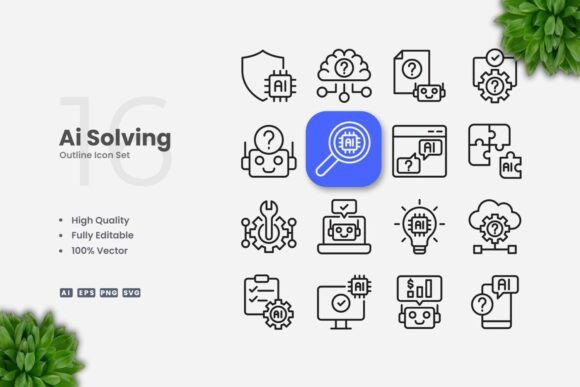
AI Solving Icons are a collection of professionally designed vector graphics that can be easily customized to fit specific needs. Each icon is created with precision, ensuring clarity and consistency across different platforms and formats. The design is simple yet effective, making it ideal for users who want to maintain a clean and modern look without sacrificing functionality.
These icons are particularly useful for those who need to communicate complex ideas quickly and efficiently. Whether you're designing a website, creating a marketing campaign, or developing an app, AI Solving Icons provide a versatile tool that can be adapted to various contexts and requirements.
The Strategic Value of AI Solving Icons
One of the key advantages of AI Solving Icons is their ability to support strategic goals. By using these icons, designers and developers can create a cohesive visual language that aligns with their brand identity and messaging. This consistency helps to build trust and recognition, which are essential for long-term success.
Additionally, AI Solving Icons can improve productivity by streamlining the design process. Instead of creating custom graphics from scratch, users can select from a library of pre-designed icons and modify them as needed. This saves time and resources, allowing teams to focus on other important aspects of their projects.
Applications Across Different Platforms
AI Solving Icons are incredibly versatile, making them suitable for a wide range of applications. For example, in web design, these icons can be used to enhance user navigation and improve the overall user experience. In mobile apps, they can help to convey information more effectively, especially in situations where text may be limited.
For social media and infographics, AI Solving Icons provide a visually engaging way to present data and concepts. They can be used to highlight key points, illustrate processes, or add visual interest to content. In print materials such as flyers, banners, and posters, these icons can add a professional touch that makes the design more appealing and memorable.
How to Use AI Solving Icons Effectively
To get the most out of AI Solving Icons, it's important to approach their use thoughtfully. Start by identifying the specific goals you want to achieve with your design. Are you trying to improve user engagement, convey a message more clearly, or enhance the visual appeal of your content? Once you have a clear understanding of your objectives, you can select the appropriate icons that align with your vision.
Consider the context in which the icons will be used. For instance, if you're designing a website, you'll want to choose icons that are compatible with the overall style and layout. If you're creating a mobile app, you'll need to ensure that the icons are scalable and legible on different screen sizes.
Planning Tips for Using AI Solving Icons
- Define Your Brand Identity: Ensure that the icons you choose reflect your brand's values and personality.
- Choose the Right Format: Select the appropriate file type based on your project's requirements, such as AI, EPS, SVG, or PNG.
- Customize Thoughtfully: Modify the icons to fit your specific needs, but avoid overcomplicating the design.
- Test for Usability: Check how the icons perform in different contexts and make adjustments as needed.
Strategic Observations and Decision-Making
When using AI Solving Icons, it's important to make informed decisions that align with your broader strategy. Consider how these icons can contribute to your overall goals, whether it's improving user experience, enhancing brand visibility, or increasing engagement. By integrating these icons into your design workflow, you can create a more impactful and cohesive visual presence.
It's also essential to recognize the potential risks of using AI Solving Icons without clear goals or context. Randomly selecting icons without considering their purpose or relevance can lead to a disjointed design that fails to communicate effectively. To avoid this, take the time to plan and execute your design choices with intention and care.
Long-Term Benefits of AI Solving Icons
Investing in AI Solving Icons can yield long-term benefits by providing a consistent and adaptable design resource. As your business or project evolves, you can reuse and update these icons to maintain a cohesive visual identity. This not only saves time but also ensures that your designs remain relevant and effective over time.
Moreover, the ability to edit and customize these icons allows for greater flexibility and creativity. You can experiment with different colors, stroke weights, and layouts to find the best solution for your needs. This level of control empowers you to make strategic decisions that support your goals and enhance your overall output.
Conclusion: Embracing AI Solving Icons Intentionally
AI Solving Icons offer a valuable tool for anyone involved in design, marketing, or content creation. Their high-quality design, versatility, and ease of customization make them an excellent choice for a wide range of applications. However, to fully leverage their potential, it's important to use them intentionally and strategically.
By understanding the purpose and context of each icon, you can create designs that are not only visually appealing but also functionally effective. Whether you're working on a website, a mobile app, or a print project, AI Solving Icons can help you achieve better results and make more informed decisions. With careful planning and thoughtful execution, these icons can become a key asset in your design toolkit.